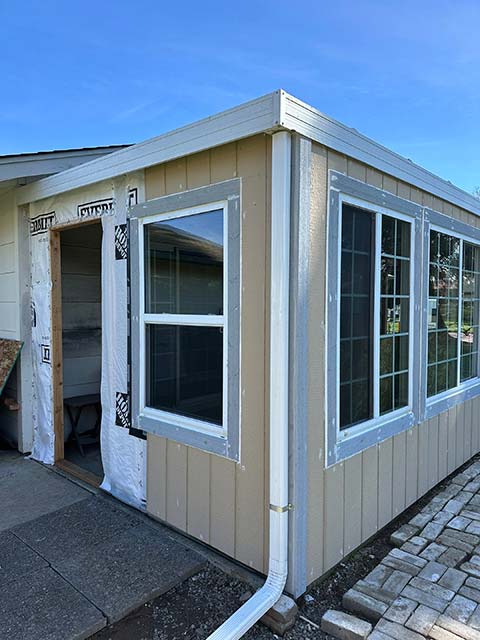
Vancouver, WA, offers a unique blend of Pacific Northwest beauty and a climate that tests the durability of home exteriors. The city experiences mild but wet winters, cool springs, and dry summers, with occasional storms bringing heavy rain and strong winds. Choosing the right home siding in this environment is more than just about appearance—it’s about finding a balance between aesthetics, protection, and longevity. The right siding installation in Vancouver should enhance your home’s curb appeal while resisting moisture damage, preventing mold growth, and maintaining structural integrity over time. Understanding the pros, cons, and weather resistance of different siding options is essential for homeowners who want to protect their investment and enjoy a beautiful, low-maintenance exterior for years to come.
Vinyl Siding: Affordable Versatility for All Seasons
Vinyl siding remains one of the most popular choices for Vancouver homeowners because it blends affordability, versatility, and low maintenance. Made from durable PVC, vinyl siding comes in an array of colors, textures, and profiles, including options that mimic natural wood grains. This makes it an attractive choice for those who want a traditional or modern look without the high upkeep.
From a cost perspective, vinyl siding is generally more affordable than wood or fiber cement, making it a good fit for budget-conscious renovations. It resists pests and does not rot, which is a major advantage in Vancouver’s wet climate. Additionally, modern vinyl siding is engineered to withstand fading, meaning it retains its color longer, even after years of exposure to the sun.
However, there are drawbacks. While vinyl siding is water-resistant, it’s not entirely waterproof; if improperly installed, moisture can seep behind the panels and cause damage to the sheathing. In very cold weather, vinyl can become brittle and crack under impact. During summer heatwaves, it may warp if exposed to extreme temperatures or reflected sunlight from nearby windows. In terms of weather resistance, vinyl performs well against rain but needs proper installation and ventilation to prevent trapped moisture from becoming a problem.
Fiber Cement Siding: Premium Strength and Style
Fiber cement siding, known under brand names like James Hardie, is a high-performance choice for homeowners who want durability with a premium appearance. Composed of cement, sand, and cellulose fibers, it offers the look of painted wood with superior resistance to moisture, fire, and pests. In Vancouver’s climate, where rain and dampness are constant companions, fiber cement siding shines because it does not warp, rot, or swell when exposed to water.
This siding type holds paint exceptionally well, allowing homeowners to enjoy vibrant, lasting colors with fewer repainting cycles. It also resists damage from wind-driven rain and hail, which can occur during coastal storms that sometimes affect the region. When cracks, chips, or moisture issues do arise, timely siding repair can prevent small problems from turning into costly replacements. Its dense composition helps improve insulation and can even dampen exterior noise.
The main disadvantages come down to cost and weight. Fiber cement siding is more expensive than vinyl and requires professional installation due to its heaviness and need for precise handling. If installed improperly, it can still be vulnerable to moisture intrusion, particularly at joints and seams. Additionally, cutting the material releases silica dust, which requires safety precautions during installation. From a weather resistance standpoint, fiber cement is among the best, offering decades of performance in Vancouver’s wet, cool winters and dry summers.
Engineered Wood Siding: Natural Beauty with Enhanced Protection
Engineered wood siding is designed to provide the warmth and beauty of real wood while offering improved resistance to decay, pests, and moisture. Manufactured by bonding wood fibers with resins and treated with protective coatings, engineered wood offers an authentic aesthetic that appeals to homeowners who value a natural look.
In Vancouver’s damp environment, engineered wood performs significantly better than traditional wood siding because it is less prone to swelling, warping, and rotting. The protective treatments help guard against fungal decay and termite damage, which, while less common in the Pacific Northwest than in warmer climates, can still be a concern. Engineered wood is also lighter than fiber cement, making installation easier and often less costly.
That said, engineered wood is not entirely immune to moisture issues. If the protective coating is damaged or the siding is improperly installed, water can infiltrate and cause deterioration over time. It also requires periodic repainting or staining to maintain its weather resistance and appearance. In terms of cost, it sits between vinyl and fiber cement, making it a good mid-range option for Vancouver homeowners looking for a balance between beauty and resilience.
Metal Siding: Modern Durability with Low Maintenance
Metal siding—whether aluminum, galvanized steel, or even zinc—offers a sleek, modern appearance with exceptional durability. Resistant to rot, insects, and fire, metal siding is an excellent choice for homeowners in Vancouver who want minimal maintenance and long-lasting performance. Its non-porous surface means it sheds rainwater effectively, making it well-suited to the city’s rainy months.
Steel siding, in particular, stands up well to impacts from wind-driven debris or hail, which can occasionally occur during winter storms. Aluminum siding resists rust but is softer, making it more susceptible to dents. Modern metal siding often comes with baked-on finishes that resist fading and chalking, allowing it to maintain its color for years with little more than occasional cleaning.
However, metal siding can be noisy during heavy rain or hail unless properly insulated. While this may not bother some homeowners, others find it a drawback. Additionally, metal conducts heat, so without an appropriate thermal break or insulation, it can impact energy efficiency during summer heat waves or cold snaps. From a weather resistance perspective, metal siding is highly effective against moisture and wind but requires careful attention to prevent corrosion in salt-air environments—though this is more relevant to coastal towns than to Vancouver itself.
Traditional Wood Siding: Timeless Appeal with Maintenance Demands
For those who appreciate timeless character and natural charm, traditional wood siding remains an unmatched choice. Whether cedar shingles, clapboard, or board-and-batten, wood siding offers warmth and depth of texture that synthetic materials can only imitate. Vancouver’s proximity to abundant cedar forests has made wood a traditional building material in the region for decades.
Cedar, in particular, contains natural oils that help resist decay and insect damage, making it better suited to wet climates than many other wood species. Properly maintained, wood siding can last for decades while developing a beautiful, weathered patina over time. It also offers excellent insulation properties, which can help with energy efficiency.
The downside is the high maintenance requirement. Wood siding must be regularly painted or stained to protect it from moisture penetration, and any damaged boards must be repaired promptly to avoid rot. In Vancouver’s wet environment, this means more frequent upkeep compared to drier regions. Wood siding is also vulnerable to mold and mildew growth, particularly in shaded or poorly ventilated areas. While its weather resistance can be strong with diligent care, neglecting maintenance can quickly lead to costly repairs.
Conclusion
Choosing the best home siding for Vancouver, WA, comes down to balancing aesthetics, durability, cost, and the demands of the local climate. Vinyl siding offers affordability and low maintenance but requires proper installation to prevent moisture issues. Fiber cement siding provides top-tier durability and weather resistance, albeit at a higher cost. Engineered wood strikes a balance between natural beauty and enhanced protection, while metal siding delivers modern style with minimal upkeep. Traditional wood siding remains a classic choice, offering unmatched warmth and character but demanding consistent care.
In a city where rain is a regular companion and seasonal temperature shifts can test exterior materials, selecting the right siding is a long-term investment in both appearance and protection. Working with experienced siding contractors in Vancouver, WA ensures proper installation, maintenance, and repair, giving homeowners peace of mind that their siding will perform well for decades. By considering each option’s strengths, weaknesses, and resilience against Vancouver’s weather, homeowners can make an informed choice that keeps their property looking beautiful and standing strong for years to come.
Need help deciding on the best siding option for your home? NW Reliable Home Service is home improvement company in Vancouver and can install your home’s siding when you’ve decided. Give us a call at 360-713-8022 today!
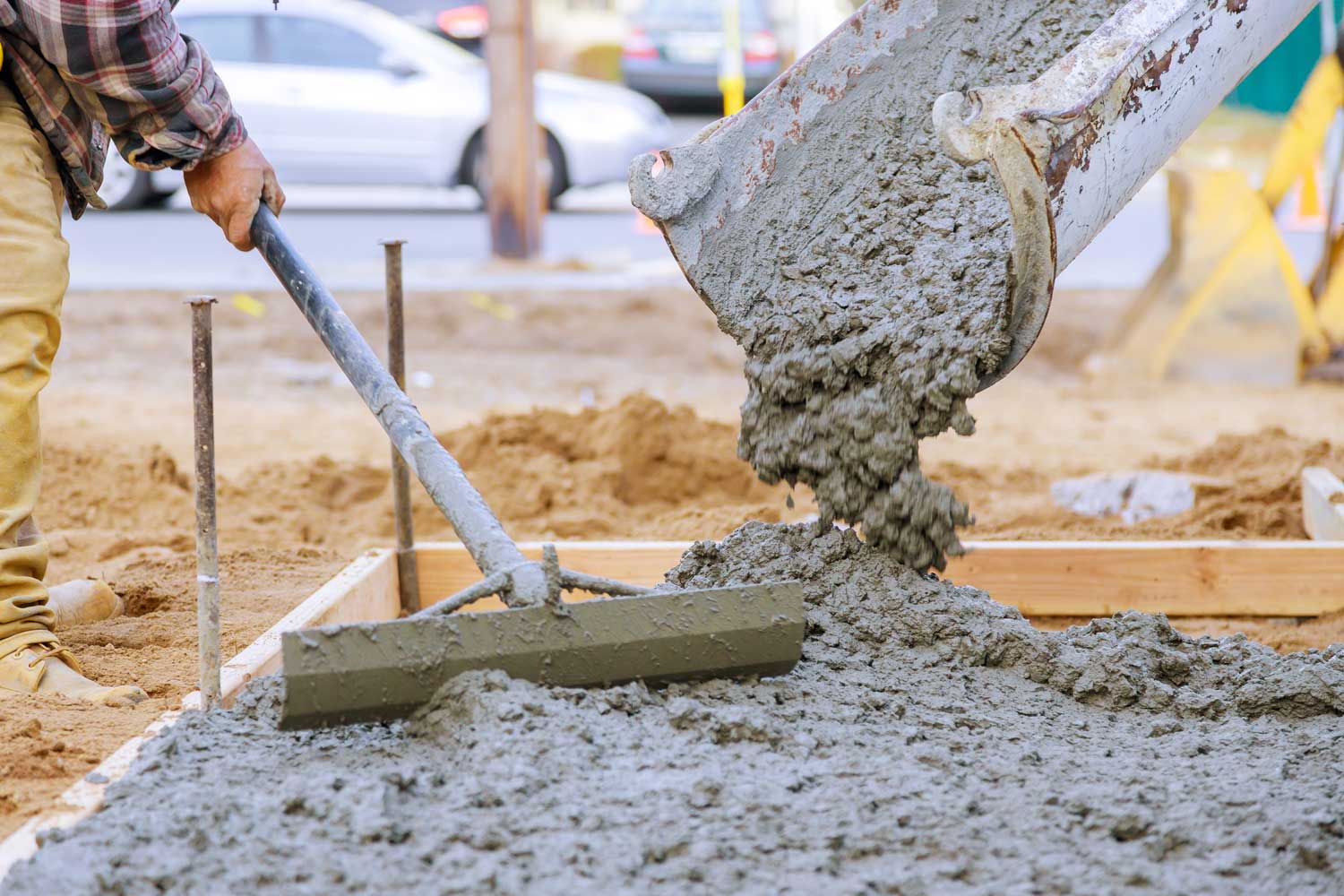
Building a new patio is an exciting way to enhance your outdoor living space, but in a city like Vancouver, WA—where rainfall is abundant and moisture is a constant companion—success depends on avoiding some critical mistakes. Many homeowners dream of a beautiful, functional patio that can withstand the elements, only to discover that poor planning or oversight has led to cracks, puddling, moss growth, or worse. Understanding the climate and how it impacts concrete work in Vancouver is the first step toward ensuring your patio investment lasts for decades. From improper site preparation to neglecting drainage solutions, mistakes in these early stages can cost thousands to fix later. In this guide, we’ll explore the most common pitfalls when pouring a patio in Vancouver’s wet conditions and how to avoid them, so your outdoor space remains a source of pride rather than frustration.
Ignoring Proper Site Preparation
One of the most common—and most damaging—mistakes is skipping thorough site preparation. Vancouver’s soil often holds moisture for extended periods, especially in the fall and winter. This means that if the ground beneath your patio is not properly excavated, graded, and compacted, the structure will likely suffer from shifting, settling, and cracking. Too often, homeowners (and sometimes even contractors) underestimate how much the underlying soil can move when saturated with water. If the subgrade is soft or uneven, the concrete slab may develop stress fractures or sink over time.
Preparation begins with removing grass, roots, and organic material that will decay and create voids beneath the slab. This should be followed by excavation to the appropriate depth and the addition of a compacted gravel base to provide stability and facilitate drainage. In wetter climates, a thicker gravel layer may be necessary to help prevent water accumulation. Skimping on this step to save time or money is a false economy—it may result in costly repairs down the road. In short, think of site prep as the foundation of your foundation. Without it, even the most skillfully poured patio is vulnerable to the forces of nature.
Overlooking Drainage Solutions
Even the best-prepared subgrade won’t save a patio if water has nowhere to go. In Vancouver, WA, rainfall totals average more than 40 inches annually, so drainage is not optional—it’s a necessity. If your concrete contractor fails to plan for water runoff can lead to pooling on the surface, soil erosion around the patio’s edges, or even water seeping toward your home’s foundation. Unfortunately, drainage issues often don’t become apparent until after the patio is completed and the first heavy rains arrive.
Drainage planning should begin before pouring concrete. This might mean grading the patio surface slightly—typically a slope of about 1/8 inch per foot—so that water naturally flows away from structures. French drains, gravel trenches, or perforated piping may also be needed for areas with poor soil percolation. Additionally, incorporating expansion joints and permeable borders can help guide water safely away. Skipping these precautions in a wet climate is asking for trouble, as excess moisture can freeze and expand in winter, further damaging the patio surface.
Choosing the Wrong Materials for a Wet Climate
Material choice plays a pivotal role in the longevity and maintenance of your concrete patio in Vancouver, WA, especially in Vancouver’s damp environment. While concrete is a popular choice, not all concrete mixes are created equal. Selecting a mix without adequate air entrainment or moisture resistance can make it more susceptible to freeze-thaw damage. When water penetrates the surface and freezes, it expands, causing surface scaling, spalling, or cracks.
Additionally, many homeowners are drawn to natural stone or pavers for aesthetic reasons but forget that porous materials will absorb more water unless they are sealed regularly. Some stones can also become dangerously slippery when wet, posing a safety hazard. Even treated wood patios, though less common, require specific moisture-resistant lumber to prevent rot and warping. In every case, consider not just the look and initial cost of the material, but its performance under months of rain and dampness.
Choosing the wrong finish can also be problematic. A glossy sealant might seem appealing, but it can become slick in wet weather. Instead, opt for a slip-resistant finish or texture that balances beauty and safety. Working with contractors who understand the regional climate will ensure you select materials and finishes that are both functional and long-lasting.
Failing to Account for Seasonal Timing
Timing matters more than most people realize when pouring a patio in Vancouver’s climate. Attempting to pour concrete during heavy rain or freezing temperatures can compromise its strength and finish. Rain during the curing process can wash away cement paste from the surface, creating a rough, weakened finish, while freezing temperatures can halt hydration, preventing the concrete from reaching full strength.
The ideal time for pouring is during the late spring to early fall when extended dry spells are more likely. However, this window can still be unpredictable in the Pacific Northwest. Professionals often use protective measures such as temporary shelters, plastic sheeting, or heated blankets to safeguard the curing process in less-than-ideal conditions. Homeowners who push forward with a pour at the wrong time risk having to redo the work entirely, doubling costs and delaying their project.
Neglecting Long-Term Maintenance Needs
A patio’s longevity in Vancouver depends heavily on ongoing maintenance, yet many homeowners underestimate this factor. Concrete, stone, and other hardscape materials are durable but not immune to the region’s moss, algae, and mold growth. Left unchecked, these can make surfaces slippery, degrade materials, and diminish curb appeal.
Sealing the patio at regular intervals is one of the most effective ways to protect it from moisture penetration, staining, and weathering. However, the type of sealant and frequency of application will vary depending on the material used. Additionally, keeping gutters and nearby landscaping in check will help prevent excess water from pooling on or around the patio. Routine cleaning—particularly in shaded areas where moss thrives—can extend the life of the surface and reduce safety hazards.
Ignoring these maintenance needs often leads to costly restoration work. In some cases, severe neglect can shorten a patio’s lifespan by years, turning what should be a long-term investment into a recurring expense. The solution is to view maintenance not as a chore but as a natural part of ownership in a wet climate.
Working with Inexperienced Contractors
Perhaps the most avoidable mistake is hiring a contractor unfamiliar with Vancouver’s wet climate challenges. While general concrete work may be similar from place to place, the Pacific Northwest presents unique obstacles that require localized expertise. Contractors inexperienced in dealing with prolonged moisture exposure, fluctuating winter temperatures, and drainage-heavy design can overlook details that are second nature to regional professionals.
Before hiring, it’s essential to verify not only a contractor’s credentials but also their specific experience with projects in similar conditions. Ask for references from local clients, review past work, and discuss how they plan to address climate-specific issues. Skilled contractors will be proactive in suggesting moisture mitigation strategies, using climate-appropriate materials, and timing the project for optimal results. Choosing the cheapest bid without considering experience is one of the quickest paths to a patio plagued with preventable problems.
Conclusion
Pouring a new patio in Vancouver, WA’s wet climate is not a project to approach casually. The persistent rain, fluctuating temperatures, and water-retentive soils create a set of challenges that demand careful planning and informed decision-making. Avoiding common mistakes—such as inadequate site preparation, ignoring drainage, selecting inappropriate materials, poor seasonal timing, neglecting maintenance, and hiring inexperienced contractors—can mean the difference between a patio that endures and one that fails prematurely.
The extra time and resources invested in doing things right from the start will pay off in longevity, safety, and enjoyment. In a climate where moisture is a constant factor, the patio’s resilience depends on choices made before the first concrete is poured. With the right planning, materials, and professional guidance, your patio can become a reliable extension of your home, ready to face Vancouver’s rainy seasons year after year without costly surprises.
Vancouver, WA, offers a beautiful blend of weather patterns that can be both a blessing and a challenge for homeowners. From the soft, persistent drizzle of winter to the sunny, warm days of summer, enjoying your outdoor space requires a bit of planning and creativity. A well-designed patio cover is one of the most cost-effective ways to extend your living space while protecting it from the elements. Whether you’re sipping hot coffee on a rainy morning or hosting a summer barbecue, the right patio cover can transform your backyard into a year-round retreat without breaking the bank. In this guide, we’ll explore affordable patio cover options in Vancouver and ideas that are perfect for the area’s unique climate, with design inspiration to suit every style and budget.
Understanding Vancouver’s Weather and Patio Needs
Before diving into the specific patio cover ideas, it’s important to understand why Vancouver’s climate makes this home improvement so valuable. The city experiences mild winters but with frequent and prolonged rain, meaning outdoor furniture and spaces can quickly become damp and weather-worn if left unprotected. In the summer, though, the Pacific Northwest surprises many with stretches of sunny days and warm afternoons, when shade becomes just as essential as rain protection.
A patio cover in Vancouver needs to be versatile—something that can shield from rain without making the space feel dark and dreary, yet also offer ventilation and cooling when the sun is shining. The challenge is to find solutions that are functional, durable, and affordable, without compromising style. This means considering materials that can handle moisture without rotting, designs that don’t block too much natural light, and structures that can be installed with minimal labor costs.
Budget-Friendly Materials and Designs for Rain Protection
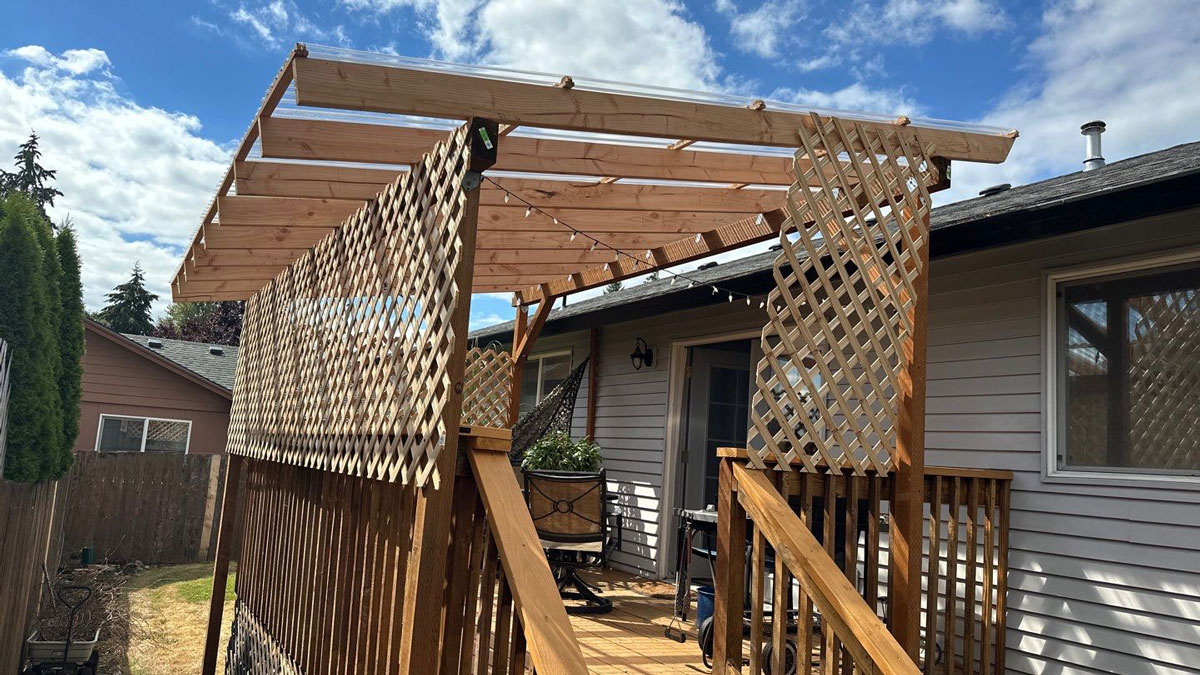
For those looking to keep costs low while still enjoying a comfortable and weatherproof patio, material choice is key. One of the most economical and practical options for Vancouver’s rain is corrugated polycarbonate roofing. This lightweight material is relatively inexpensive, easy to install, and allows natural light to filter through, keeping your space bright even on cloudy days. It’s also resistant to mold and mildew, making it perfect for the damp months. Over time, though, even the best patios can show wear and tear, making timely patio repair important to maintain safety and extend the life of your outdoor space.
Another cost-effective choice is treated wood combined with a waterproof fabric canopy. While wood provides a warm, natural look that blends beautifully with most landscapes, the fabric canopy—made from water-resistant outdoor fabric—can be rolled back in summer for more sunlight. The flexibility of this design keeps it affordable, as the fabric can be replaced more easily than permanent roofing. Wooden decks in particular benefit from routine maintenance, and when boards warp or railings weaken, professional deck repair services can restore both function and appearance without requiring a full replacement.
For an ultra-budget-friendly approach, a retractable awning can be a great investment. While it may not offer the full durability of a fixed roof, it’s easy to install, can be stored away when not in use, and still provides excellent rain coverage for seasonal gatherings. In all cases, using recycled or reclaimed materials—such as salvaged beams or metal roofing panels—can further reduce costs while adding a unique, eco-conscious flair to your patio.
Creating Shade for Warm Summer Days Without Overspending
In summer, Vancouver’s residents enjoy the rare luxury of consistent sunshine, but direct heat can make patios uncomfortably warm. Budget-friendly shade solutions can be as simple as a well-positioned shade sail. These triangular or rectangular fabric panels are anchored to posts or walls and can be installed without specialized tools. They’re inexpensive, come in various colors, and can be taken down easily before winter.
Pergolas are another versatile option that strike a balance between shade and light. While a basic wooden pergola may not fully protect against rain, it can be fitted with removable shade cloths or climbing plants for a natural, cooling canopy. Fast-growing vines like clematis or wisteria can create a lush cover by mid-summer, offering shade without adding to your utility bill.
For homeowners willing to invest a little more upfront for year-round comfort, insulated aluminum patio covers can provide both shade and rain protection in one structure. Though more expensive than fabric options, they remain more affordable than high-end custom builds and require little maintenance. Plus, they’re excellent at reflecting sunlight, keeping the space underneath cooler.
Stylish Yet Inexpensive Ways to Blend Form and Function
Functionality is important, but aesthetics should not be overlooked, especially if you want your patio to feel like an inviting extension of your home. The good news is that even budget-friendly patio covers can look stylish with a few thoughtful touches. For instance, a simple wooden pergola can be elevated with string lights, sheer outdoor curtains, or bamboo roll-up shades for a cozy, resort-like atmosphere.
Painting or staining the patio cover structure can also make a huge difference. A crisp white finish can create a coastal vibe, while a rich mahogany stain can give it a warm, traditional look. Hanging planters or mounted flower boxes along the sides of the patio cover can further integrate it into the surrounding garden, softening the lines and adding bursts of color.
For a modern touch, combining different materials—like a metal frame with translucent panels—can give a sleek, architectural look while keeping costs under control. Even small upgrades, like decorative brackets or trim, can make an affordable patio cover look custom-made. Matching your patio cover to your home’s roofing and siding creates a seamless flow between indoor and outdoor spaces, making the addition feel intentional rather than like an afterthought. By blending form and function, you ensure that your space not only serves its purpose but also enhances the overall appeal of your property.
Maximizing Year-Round Usability on a Budget
A patio cover alone extends your outdoor season, but with a few additional budget-conscious enhancements, you can enjoy your space through all of Vancouver’s weather shifts. Adding clear vinyl drop-down panels or roll-up shades to the sides of your covered patio can block cold winds in winter while still allowing light in. Portable propane heaters or electric patio warmers, paired with cozy throws and weatherproof rugs, can make even a chilly, rainy afternoon comfortable.
In summer, incorporating ceiling fans or portable oscillating fans under your cover will keep air moving, preventing heat buildup. Lightweight outdoor furniture that can be easily rearranged for seasonal needs will add to the versatility of the space without requiring a large investment. Storage benches can double as seating while providing a dry place to keep cushions during wetter months.
Another year-round consideration is drainage—ensuring that rainwater flows away from the patio rather than pooling. This can be managed affordably by adding a gutter system to your patio cover and directing water into a rain barrel for later use in your garden. This eco-friendly solution keeps your space dry while lowering your water bill in the summer months.
Conclusion
In Vancouver, WA, creating an outdoor living space that’s both affordable and adaptable to the city’s rainy winters and sunny summers is entirely possible with the right approach. By choosing weather-appropriate, cost-effective materials, designing with both rain protection and summer shade in mind, and adding thoughtful style elements, you can build a patio cover that feels high-end without straining your budget. The key is versatility—selecting solutions that work for the varied Pacific Northwest climate and can be easily adjusted as the seasons change.
Whether you opt for a simple fabric shade sail, a sturdy corrugated polycarbonate roof, or a charming vine-covered pergola, the right patio cover will not only extend your home’s usable space but also enhance your enjoyment of the outdoors year-round. With a little creativity, even the most modest budget can yield a beautiful, functional retreat just steps from your back door—perfect for savoring every drizzle and sunbeam Vancouver has to offer.
Have a patio cover idea or need to fix your existing patio cover? If you’re in the Vancouver area, just give NW Reliable Home Services a call at 360-713-8022 today.